
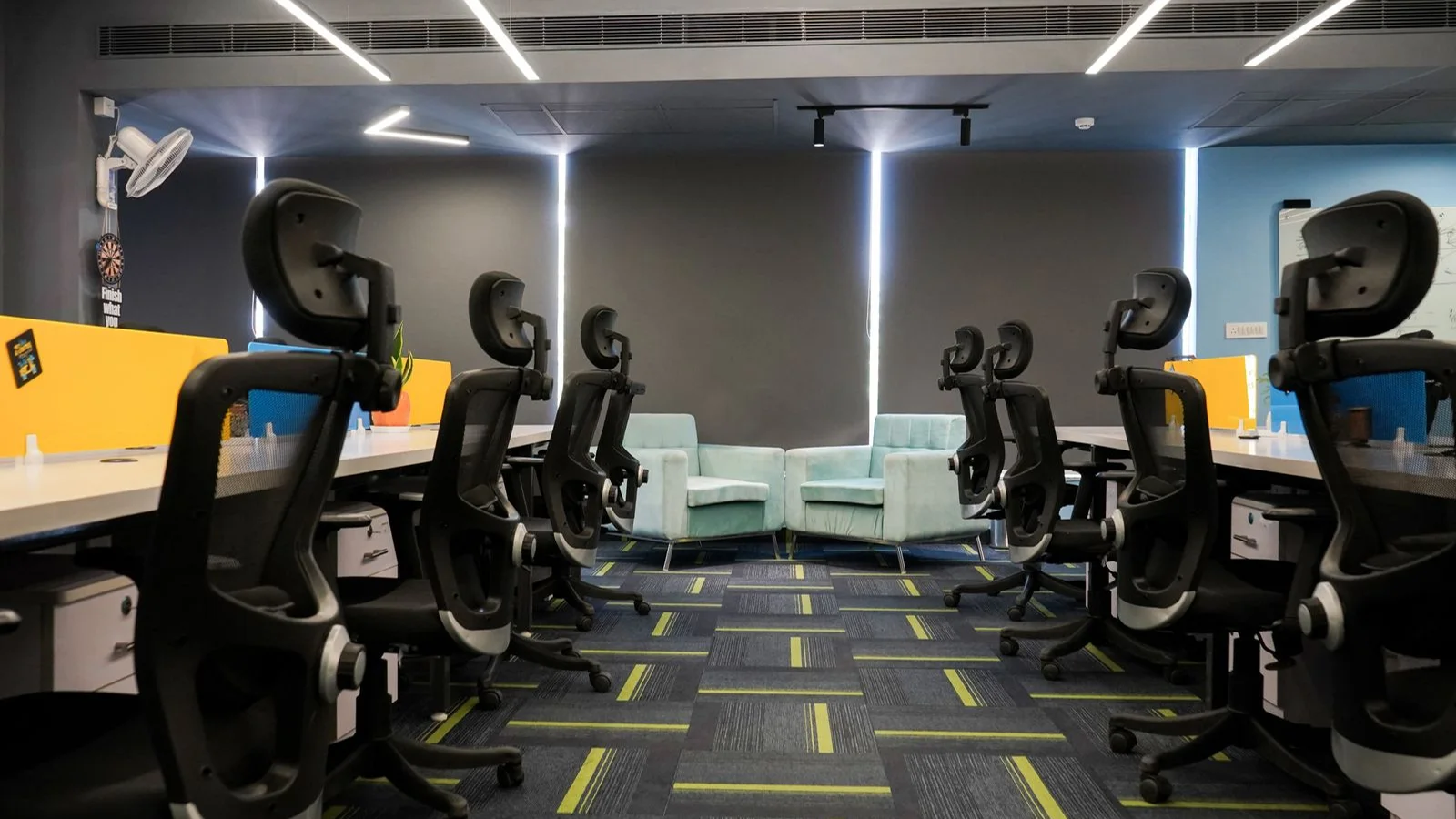
Observe the task before adjusting equipment
Consider the work being performed, how long it continues and which equipment is used. A shared workstation, laptop task and document-intensive role may present different issues. Ask employees to describe where the setup makes the task difficult. Avoid treating one diagram or posture as the correct answer for every person and situation.
Review the workstation through the organisation’s process
Equipment placement, available space, seating and the visual demands of the task can be relevant to a review. Employees should understand which adjustments they can make and when to seek help. Persistent discomfort or a concern requiring specialist assessment should be referred appropriately, rather than managed by a generic workshop suggestion.
Include work organisation and movement
The pattern of tasks and opportunities to change activity matters alongside equipment. Discuss how prolonged static work, repetitive tasks and meeting habits affect the day. Managers can help review the organisation of work within operational requirements. Training should encourage useful observations and appropriate follow-up, without prescribing the same schedule or adjustment for everyone.
Record concerns and review changes
Describe the issue, the task and any agreed action so the responsible person can review it. Check whether a change is suitable for the work and whether further support is required. DOSH’s ergonomics risk assessment guidance provides a reference for the workplace assessment process. Awareness training helps participation; it is not an individual medical assessment.
Worked example: A shared workstation needs a repeatable setup process
In a fictional office, staff share desks but are unsure which equipment adjustments are available. The organisation reviews the setup process and explains how to request assistance. Employees practise describing their task and concerns rather than copying a colleague’s settings. The example illustrates awareness and escalation, not a claim that a single adjustment prevents or treats a condition.
Put it into practice
- Describe the task and equipment used.
- Check permitted adjustments and support routes.
- Review work patterns as well as furniture.
- Refer persistent concerns for appropriate assessment.